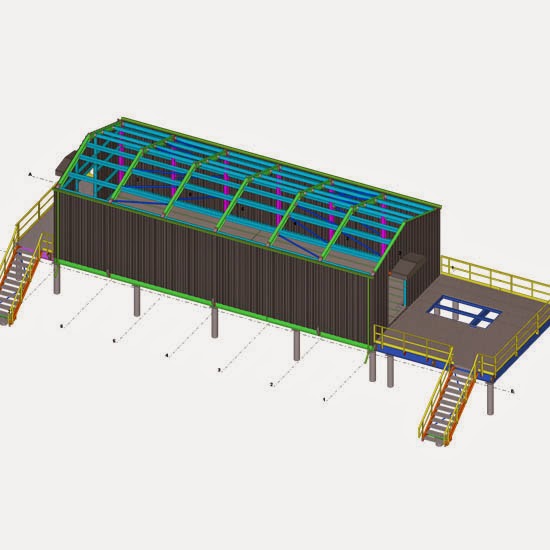
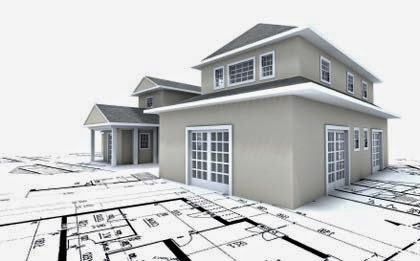
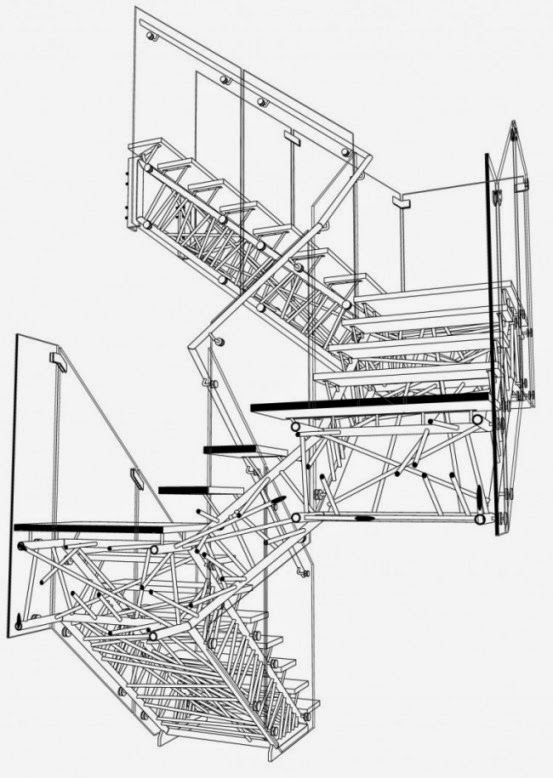
Concrete is regarded as one of the extensively utilized construction material on earth. In various developed countries, concrete construction includes 60% of the built environment. In addition to this, concrete has molded civilizations in ancient history encompassing ancient Egypt and the Roman Empire. In today’s competitive business environment; concrete construction is a vital part of the development process of concrete home construction and concrete building construction. In absence of concrete; building construction would fail to accommodate our modern and challenging lifestyles.
Benefits of Concrete Construction:
From cost perspective; the intrinsic properties of concrete building construction including durability, leads to lower operational and maintenance costs which in turn leads to an enhanced value to the construction. It also accounts for financial savings that can be realized with help of concrete’s swift and harmless construction programme.
Concrete building construction either done through cast in-situ, precast or a combination of both, leads to elasticity in design and therefore is apt for the requisites of engineers, contractors, architects, and their clients. Concrete building services can be easily accommodated or modified in use, while surface finishes remain intact though unprotected &without any supplementary treatment.
The performance of concrete home construction is also exceptional in wide array of areas. Grander acoustic insulation, Vibration control, robustness, and fire resistance make it possible to effectively utilize concrete’s thermal mass to stock and release solar energy which leads to efficient heating and cooling operations.
All the benefits of Multi-Storey concrete building construction translate to structural wall systems for low-rise commercial buildings as well, including rapid and safe construction, superior acoustic insulation, vibration control, energy efficiency & robustness, and durability-based whole-of-life value.
By effective utilization of concrete’s high mass, integrated with heat of sun – or solar energy leads to comfortable living conditions with reduced dependency on space heating or cooling, and successfully reduced energy demands.
With a bare, well-insulated concrete element it is possible to have the capability to store, absorb and later radiate sun’s heat, off-setting temperature through troughs and peaks leading to a restrained living environment. There is also paramount importance given to acoustic insulation in residential settings. Game consoles and Stereos becoming common there is a requirement to separate sound between rooms and their external environment.
Read Full story at: Benefits of Concrete Construction
Benefits of Concrete Construction:
From cost perspective; the intrinsic properties of concrete building construction including durability, leads to lower operational and maintenance costs which in turn leads to an enhanced value to the construction. It also accounts for financial savings that can be realized with help of concrete’s swift and harmless construction programme.
Concrete building construction either done through cast in-situ, precast or a combination of both, leads to elasticity in design and therefore is apt for the requisites of engineers, contractors, architects, and their clients. Concrete building services can be easily accommodated or modified in use, while surface finishes remain intact though unprotected &without any supplementary treatment.
The performance of concrete home construction is also exceptional in wide array of areas. Grander acoustic insulation, Vibration control, robustness, and fire resistance make it possible to effectively utilize concrete’s thermal mass to stock and release solar energy which leads to efficient heating and cooling operations.
All the benefits of Multi-Storey concrete building construction translate to structural wall systems for low-rise commercial buildings as well, including rapid and safe construction, superior acoustic insulation, vibration control, energy efficiency & robustness, and durability-based whole-of-life value.
By effective utilization of concrete’s high mass, integrated with heat of sun – or solar energy leads to comfortable living conditions with reduced dependency on space heating or cooling, and successfully reduced energy demands.
With a bare, well-insulated concrete element it is possible to have the capability to store, absorb and later radiate sun’s heat, off-setting temperature through troughs and peaks leading to a restrained living environment. There is also paramount importance given to acoustic insulation in residential settings. Game consoles and Stereos becoming common there is a requirement to separate sound between rooms and their external environment.
Read Full story at: Benefits of Concrete Construction